Christopher Ruaño
Economics & Computer Science at Harvard · Computation, simulation, complex systems
Get your bearings
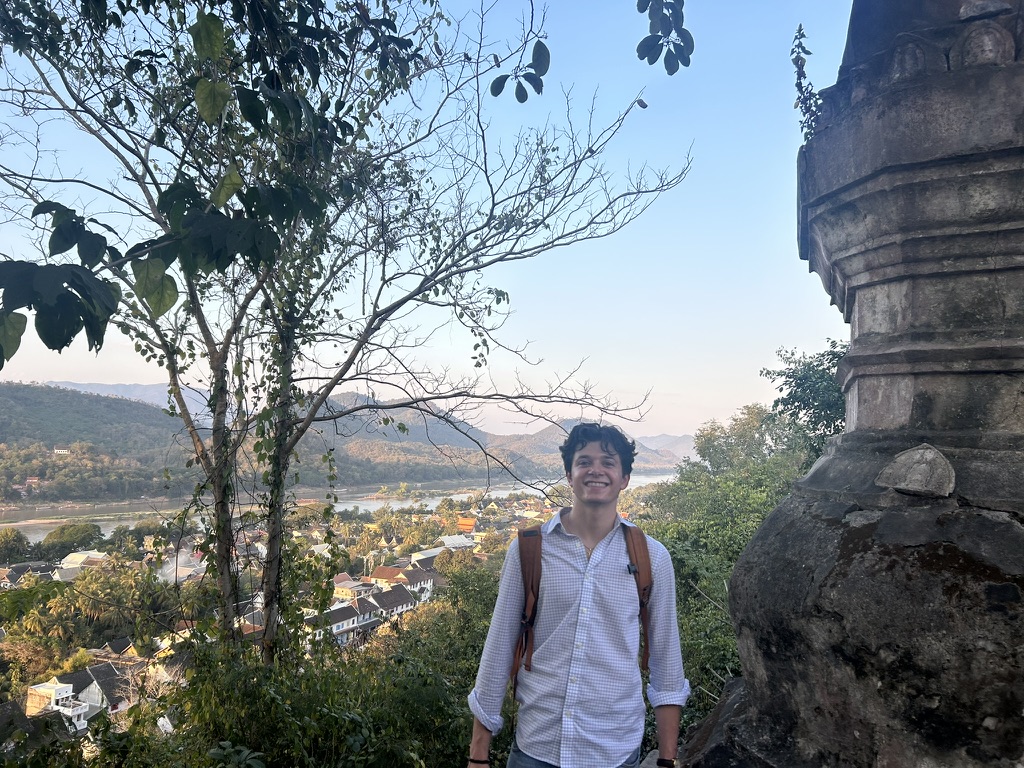
I study economics and computer science at Harvard, jump for the track team, and spend a surprising amount of time thinking about agent-based simulations (particularly with LLMs).
I study behavior and incentives like any good economist, but the field is overdue for an experimentation revolution. Physics got simulation decades ago — wind tunnels, finite element models, computational fluid dynamics let engineers prototype before anything gets built or breaks. Economics still runs most of its experiments on actual people, in actual economies. I'm building an alternative: agent computational trials (ACTs), LLM-powered simulations where synthetic agents decide the way real people do. You can stress-test a policy for cents before making choices that affect millions. It's where my interests converge — economics, complex systems, machine learning, and the stubborn mechanics of how people choose to live their lives.
Otherwise: reading, cooking, traveling, and a billiards habit that's becoming harder to defend as a hobby. A recent detour into evolutionary biology has been taking up more shelf space than expected.
Voyages
Projects are just voyages with deadlines. These ones made it back to port.
Illuminating the invisible fleet
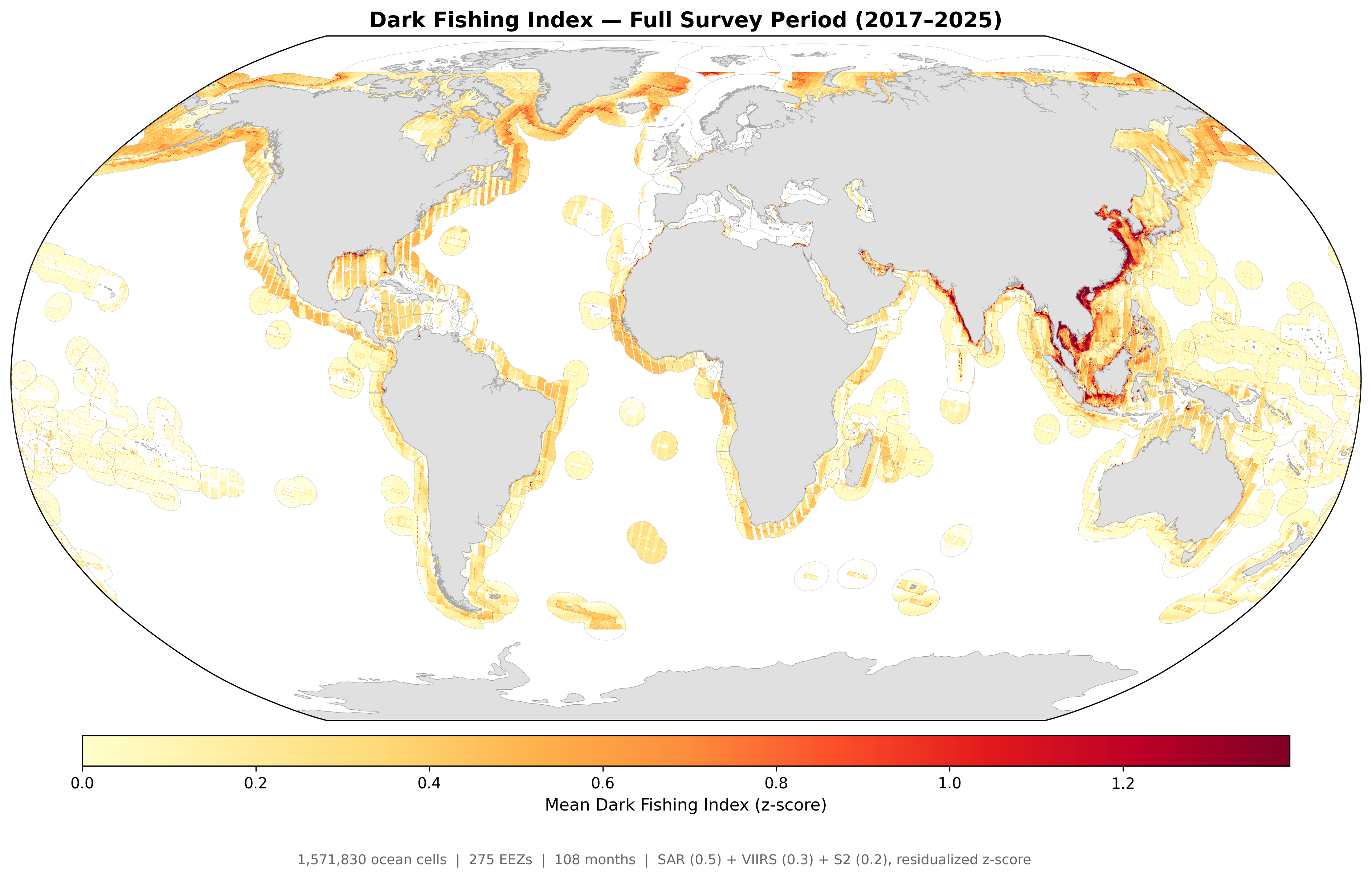
Illegal fishing is everywhere but almost impossible to measure. No one reports what they're not supposed to be doing. I built the first global satellite panel tracking it across the globe, monthly, from 2017 to 2025. The data show that illegal fleets don't just poach; they reshape where legal fleets can operate, and enforcement spending alone fails without strong institutions behind it. To test what policies might actually work, I built SHADOW, an agent-based model where GPT-powered fishermen decide where to fish, whether to cheat, and how to respond to enforcement, achieving 83% predictive accuracy against real fleet movements. Advised by Andrei Shleifer.
SudokuOCR
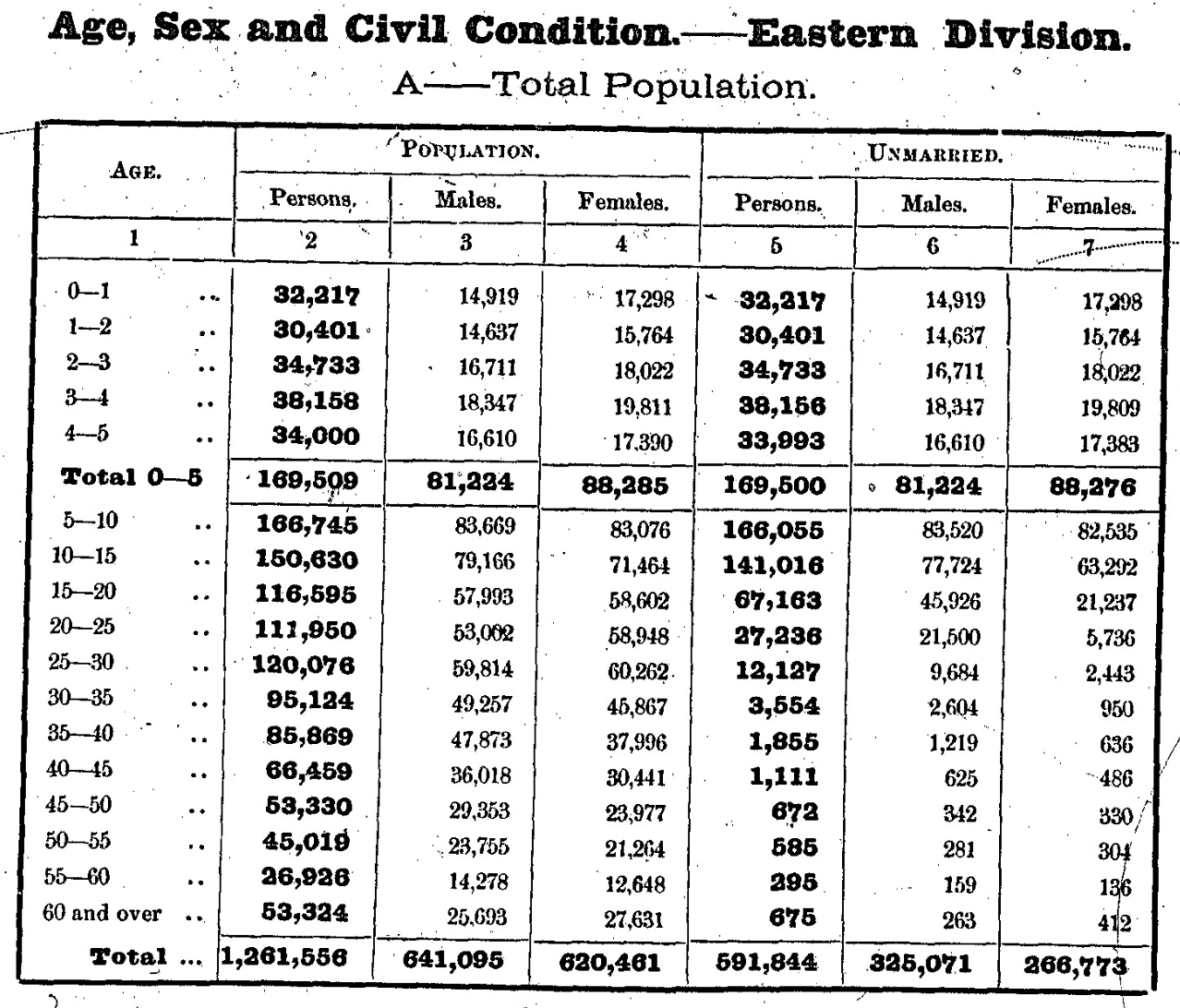
The Indian Census (1872–1941) is one of the largest untapped demographic datasets in the world. Decades of district-level data locked in scans no OCR tool could read reliably due to document degradation. SudokuOCR treats each table as a constraint satisfaction problem: vision LLMs read the digits, arithmetic constraints verify and correct them. It's the best-performing tool available for historical tabular OCR: 99% cell-level accuracy across 10,000+ tables, self-verifying, and it catches errors humans miss. The technique generalizes to any tabular document where the numbers are supposed to add up.
Social contagion and bank runs
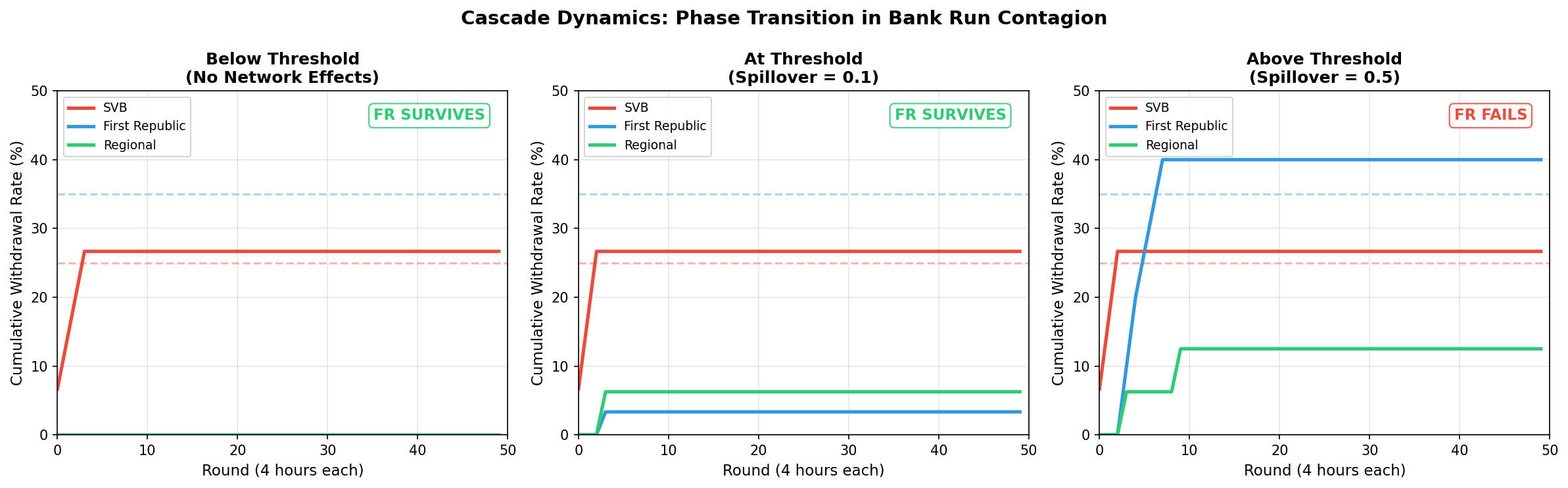
Modern bank runs happen in group chats, not lobby queues. We built an agent-based model where LLM depositors decide whether to withdraw based on fundamentals, social signals, and a Twitter-calibrated network from March 2023. There's a tipping point: a small increase in how fast panic spreads between banks flips the outcome from survival to collapse. In an SVB–First Republic–regional scenario the model reproduces the observed ordering of failures and the 2.4× uninsured-to-insured withdrawal gap.
Flood risk and the price of a mortgage
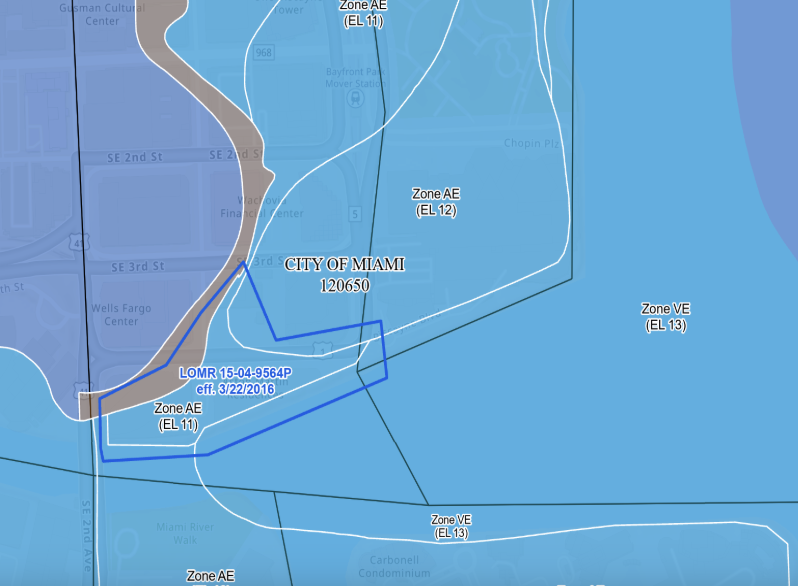
When FEMA redraws a flood map and your neighborhood enters a Special Flood Hazard Area, what happens to your mortgage? I built the first census-tract panel linking annual FEMA floodplain mappings to 6.8 million Florida mortgages (2018–2023) and ran an event study on SFHA reclassification. Property values show no robust response, but there's suggestive evidence that mortgage spreads tick up in the year after designation, hinting that lenders may price flood risk even when appraisals don't move.
Provisions
Stocked before departure. Notable recent reads and what I thought of them.
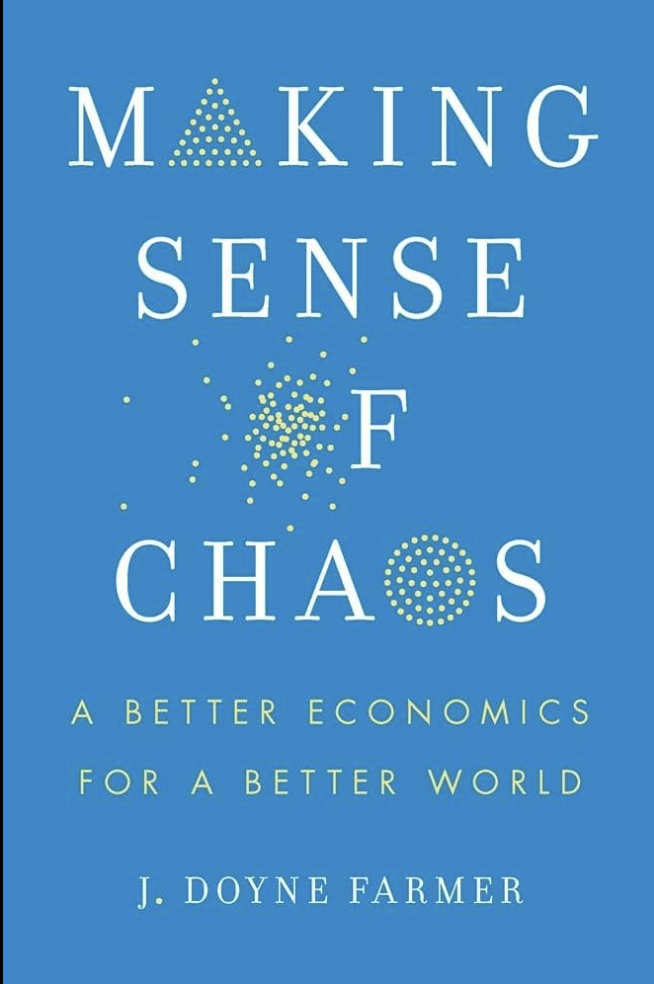
Making Sense of Chaos
J. Doyne Farmer · 2026
"The most exciting book I've read in years. Farmer makes the case for complexity economics better than anyone, and the autobiography woven through makes it a legitimately fun read."
★★★★★
If on a Winter's Night a Traveler
Italo Calvino · 2025
"Unlike anything I've read before. Every chapter starts a new story inside the last one, and it was still a page-turner."
★★★★★
Siddhartha
Hermann Hesse · 2024
"Short, beautiful, and the kind of book that's for people needing a vehicle for reflection. Was not a revalation for me but did bring me peace. "
★★★★★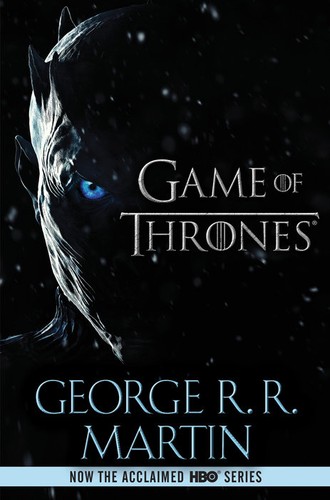
A Game of Thrones
George R.R. Martin · 2025 · Books I–III
"Devoured three of these in two months. Not nearly as complex to keep track of as you might expect, but they are not trivial to finish."
★★★★★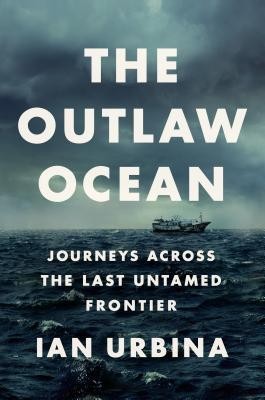
The Outlaw Ocean
Ian Urbina · 2025
"Incredible reporting that I read to contextualize my thesis. Urbina spent years on the ocean documenting a world most people don't know exists, and does the on-the-ground journalism I loved out of outlets like Vice."
★★★★★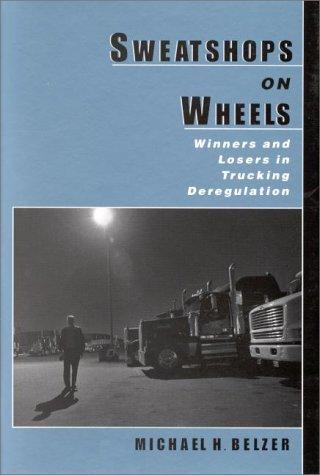
Sweatshops on Wheels
Michael Belzer · 2026
"Changed how I think about the gig economy today. The trucking deregulation story shows how we arrived at the current state of transportation fragmentation, but not a super compelling read for those without a will to finish."
★★★★☆Currents
Pieces, dispatches, and loose ends.
Pieces forthcoming.